One Serum, Five Jobs: Do Multi-Tasking Skincare Products Actually Work?
⚡ The 30-Second Version
- ✓Multi-tasking serums that combine several actives in one bottle are pitched as replacing a multi-step routine — but the evidence for that specific claim is much thinner than the evidence for individual multi-benefit ingredients.
- ✓Niacinamide is the strongest real example of a genuinely multi-tasking single ingredient — a randomized trial found 4% niacinamide reduced melasma severity by 62%, with better tolerability than hydroquinone.
- ✓No controlled trial directly compares 'one product with many actives' against 'layering separate single-active products' for efficacy — that specific skinimalism marketing claim remains unproven by direct comparison.
- ✓The honest framing: pick multi-tasking products for the ingredients they actually contain at real concentrations, not because 'multi-tasking' itself is a proven advantage over a simpler routine.
Part of 2026's skinimalism shift is the multi-tasking product: one serum claiming to hydrate, brighten, smooth texture, and control oil simultaneously, pitched as a replacement for the five-step routine that used to handle each job separately. The claim splits into two very different evidence questions — do individual ingredients actually do multiple jobs at once, and does packing several of them into one bottle work as well as using them separately.
The real multi-tasking ingredient: niacinamide
If any single ingredient earns the 'multi-tasking' label on real evidence, it's niacinamide — and there's a genuinely strong trial behind it. A randomized, double-blind trial compared 4% niacinamide against 4% hydroquinone (a well-established pigmentation treatment) for melasma. Niacinamide reduced melasma severity scores by 62% (from 3.7 to 1.4 on the standard scale), with comparable efficacy to hydroquinone — 44% of patients saw 'good to excellent' improvement versus 55% on hydroquinone — but meaningfully better tolerability: only 18% reported side effects versus 29% on hydroquinone. That trial demonstrates niacinamide's pigmentation effect specifically, but niacinamide's broader multi-mechanism profile — supporting barrier lipid synthesis, regulating sebum, and calming inflammation — is well-documented across separate lines of research, which is the real basis for calling it multi-tasking.
The claim that isn't actually proven
Here's the honest gap: 'niacinamide does multiple things' is well-supported. 'A product combining niacinamide plus five other actives outperforms using single-active products in sequence' is a different claim, and there's no controlled trial directly comparing those two approaches — one combination product versus the equivalent actives layered separately — for either efficacy or long-term compliance. Some studies show multi-step or rotational active regimens outperforming single actives, but none isolate the specific comparison the 'multi-tasking product' marketing implies. That comparison genuinely hasn't been run.
Why this distinction actually matters
A multi-tasking serum can absolutely be a good product — if it contains real, effective concentrations of ingredients with their own evidence, like niacinamide, it's doing legitimate work. The risk is when 'multi-tasking' becomes a substitute for checking what's actually inside at what concentration: a serum with six actives at homeopathic-adjacent doses to fit them all on the label isn't automatically more effective than a well-formulated single-active serum, no matter how the bottle is marketed.
How to actually evaluate one
Check the ingredient list for concentration cues (niacinamide is commonly formulated between 2-10%, with most positive trial data clustering around 4-5%) and ingredient order (actives listed near the top of the list are present in higher concentrations than ones buried near the preservatives). The Ordinary's Niacinamide 10% + Zinc and Anua's Niacinamide 10% + TXA formula are both transparent about concentration, which is a genuinely useful signal a lot of multi-tasking marketing obscures.
The bottom line: multi-tasking is a real property of specific, well-studied ingredients like niacinamide — but 'one combination product beats a layered single-active routine' is a marketing claim without its own direct evidence yet. Evaluate multi-active products by what's actually in them at what concentration, not by how many jobs the label promises.
Heads up: links below are affiliate links — we may earn a small commission at no extra cost to you. Learn more.
🛒 Featured in this post
 Amazon
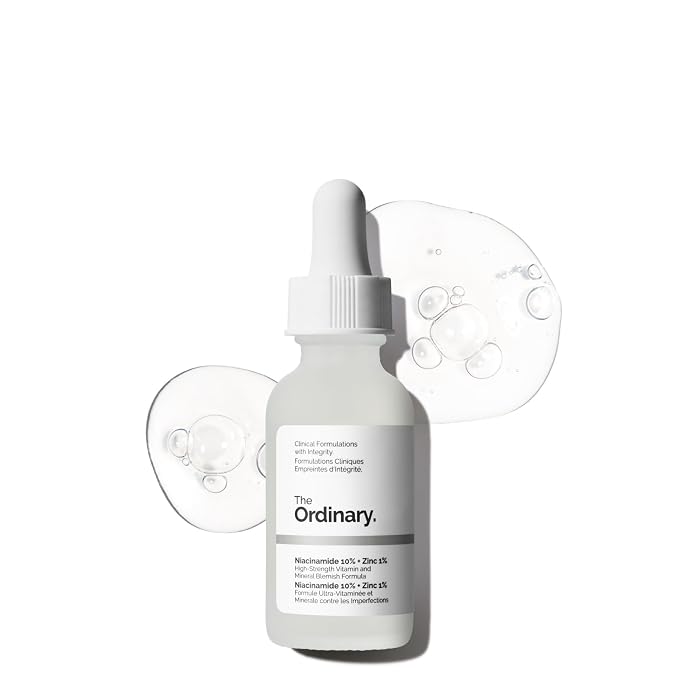
The Ordinary Niacinamide 10% + Zinc 1%
The $6 serum for oil and blemish control that lives in half the skincare routines on the internet.
 Amazon
Anua Niacinamide 10 + TXA 4 Dark Spot Serum
Tranexamic acid plus niacinamide — the pairing dermatologists reach for on stubborn post-acne marks. 15,000+ reviews.
 Amazon
Drunk Elephant Protini Polypeptide Cream
TikTok-viral peptide moisturizer known for its plumping, barrier-strengthening results.
📚 Sources & studies
- Navarrete-Solís J et al., Dermatology Research and Practice (2011) — A Double-Blind, Randomized Clinical Trial of Niacinamide 4% versus Hydroquinone 4% in the Treatment of Melasma View study ↗
- Marques C et al., Antioxidants (2024) — Mechanistic Insights into the Multiple Functions of Niacinamide: Therapeutic Implications and Cosmeceutical Applications in Functional Skincare Products View study ↗
This article is for informational purposes only and is not medical advice. Skincare products affect individuals differently — consult a board-certified dermatologist for concerns about your skin.