Do Sheet Masks Actually Work? The Science Behind the 15-Minute Glow
⚡ The 30-Second Version
- ✓That instant 'glow' is real, but it's mostly occlusion — the sheet traps water against your skin so the surface layer drinks it up fast. In controlled tests, occlusion pushed surface hydration from about 32% to nearly 47% in half an hour... and it fell right back to ~32% within the hour.
- ✓So a sheet mask is a hydration BOOST, not a treatment. Perfect for a pre-event glow, dry winter skin, or a post-flight face — not a standalone fix for acne or wrinkles.
- ✓The #1 mistake is leaving it on too long or overnight. Once the sheet dries out, it's drier than your skin — and it starts pulling moisture back OUT. 15–20 minutes, max. Never sleep in one.
- ✓The step almost everyone skips: don't rinse. Pat the leftover essence in, then seal it with moisturizer immediately — otherwise the water you just added simply evaporates off.
You peel a cold, dripping sheet mask off your face after fifteen minutes and — genuinely — your skin looks different. Plumper. Dewy. Lit from within. It feels a little like magic, which is exactly why sheet masks went from a Korean-beauty secret to a worldwide obsession stacked three-deep in everyone's fridge. But here's the question nobody wants to ask mid-selfie: does that glow actually do anything for your skin, or is it gone by the time you've finished brushing your teeth? The honest answer is more interesting than a flat yes or no — and once you understand the single thing a sheet mask is really doing, you'll use it completely differently.
What a sheet mask is actually doing (hint: it's not the 'essence')
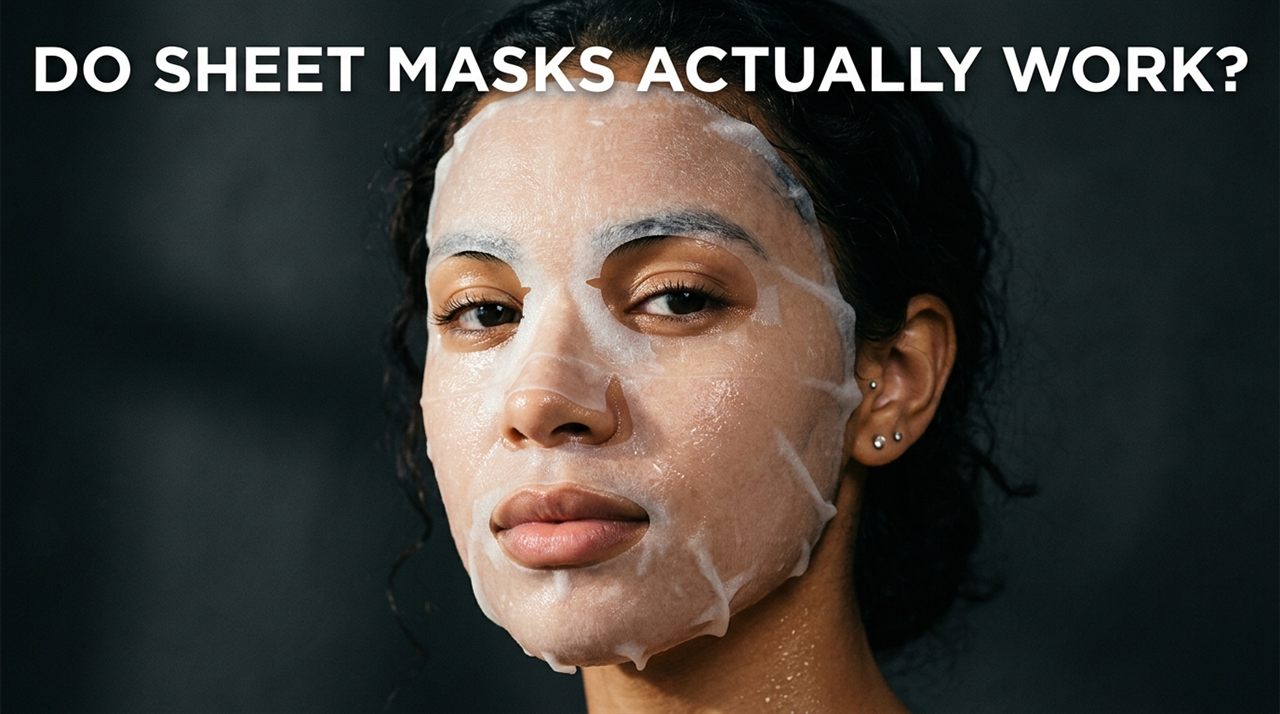
Flip a sheet mask over in your mind and strip away the marketing, and what you're left with is a thin sheet soaked in watery serum, pressed flat against your face. The magic ingredient isn't some exotic extract in the essence — it's the sheet itself. By sitting on your skin, it does something called occlusion: it forms a temporary seal that stops water from evaporating off the surface the way it normally does all day long. Skin is constantly losing a little water to the air (dermatologists call it transepidermal water loss). Cover it with a saturated sheet, and you slam that evaporation to a near-stop while simultaneously flooding the surface with the essence's water and humectants. The outermost layer of your skin — the stratum corneum — drinks it up fast.
This is not hand-waving; it's measurable. In controlled studies of occluded skin, the water content of that surface layer climbs dramatically and quickly. One classic measurement found stratum corneum hydration rising from around 32% at baseline to nearly 47% after just half an hour of occlusion. That surge is the 'glow.' Hydrated skin cells swell slightly and sit more plumply together, which softens the look of fine lines, smooths surface texture, and bounces light back at the camera. Your skin genuinely is more hydrated when you peel that mask off. The photo isn't lying.
The plot twist: that glow is on a timer
Here's the part the fifteen-second tutorials leave out. In that same line of research, once the occlusion came off, the skin's water content fell right back to roughly its starting point — about 32% — within an hour. The plumping is real, but it is emphatically temporary. A sheet mask is not depositing anything permanent into your skin; it's topping up the water in the surface layer, and that water starts leaving again the moment the seal is gone. The useful way to think about it: a sheet mask is like watering a houseplant, not like repotting it. It's a fast, genuine boost — not a structural change. Which is why the smartest question isn't 'do sheet masks work?' but 'how do I make the boost last longer than an hour?' (We'll get to that — it hinges on one step almost everyone skips.)
So do the 'active ingredients' actually work?
If the sheet's real job is occlusion and water, what about all those serums — hyaluronic acid, niacinamide, vitamin C, collagen — the packaging brags about? The honest answer: occlusion genuinely does help. Sealing the skin softens the surface and boosts how well water-loving ingredients like glycerin and hyaluronic acid settle in, and clinical evaluations of facial masks do measure real improvements in skin moisture. But a soaked sheet is a watery, low-concentration vehicle sitting on your face for fifteen minutes — it is not a substitute for a well-formulated serum you leave on and reapply daily. If a mask's essence contains a meaningful dose of a proven active, great; you'll get a little of it plus a big hydration hit. But you're buying the water, the occlusion, and the ritual far more than you're buying a treatment-grade delivery system. Board-certified dermatologists are blunt about this: a sheet mask enhances a routine, it doesn't replace cleansing, daily moisturizer, and sunscreen.
The mistake that quietly dries your skin OUT
This is the one that matters most, because it turns a good thing into a bad one. The instinct is: if fifteen minutes is good, leaving it on until it dries — or falling asleep in it overnight — must be better. It's the exact opposite. A sheet mask only helps while it's wetter than your skin, pushing water in. Once it starts drying out (around the fifteen-to-twenty-minute mark for most masks), the gradient flips: now the sheet is drier than your face, and like a paper towel laid on a damp surface, it begins wicking moisture back out of your skin. Leave it on long enough and you can finish drier than when you started. Dermatologists are consistent on this — take the mask off before it dries, and never sleep in a sheet mask. Fifteen to twenty minutes is the window, not a minimum to beat.
The step almost everyone skips
Here's the move that decides whether your mask was worth doing at all, and it takes five seconds: do not rinse your face afterward, and do not just walk away. When you remove the sheet, gently pat the leftover essence into your skin — then immediately apply a moisturizer over the top. This is the whole game. You've just spent fifteen minutes loading your surface layer with water; a moisturizer (especially one with occlusives and barrier lipids like ceramides) puts a lid on it and dramatically slows that water from evaporating straight back off. Skip this step and you're letting the hydration you just added leak away within the hour — sometimes leaving skin tighter than before. Seal it, and the glow has a real chance of lasting into the next day. The sheet mask hydrates; the moisturizer is what makes it stick.
How to actually use one (the 60-second version)
Put it together and the routine is simple. Start with freshly cleansed skin — the mask can't seal in grime, and clean skin absorbs better. Apply the mask, smooth out the air bubbles so it makes full contact, and leave it on for fifteen to twenty minutes (set a timer; don't let it dry). Peel it off, pat the remaining essence in with your fingertips, and lock everything in with your moisturizer right away — this is where a sheet mask slots neatly into the correct order of a skincare routine, just before your final moisturizer step. At night, that's your last step; in the morning, finish with sunscreen. Then toss the sheet — they're single-use, and a used one is a bacterial petri dish, not a bargain.
How often — and who benefits most
For a purely hydrating mask, you don't have to be precious about it; dry, stressed, or travel-worn skin can happily take a hydrating sheet mask a few times a week, and most people do fine at two to three times weekly. The caveats are for the fancier masks: anything with exfoliating acids, high-strength vitamin C, or clay should be occasional (roughly once or twice a week), and you should cut back on any mask that leaves you stinging, red, or flaky. As for who gets the most out of them: sheet masks shine for dry and dehydrated skin, for a pre-event or pre-photo glow, and for rescuing a face after a long flight or a brutal winter week. What they are not is a cure — they won't clear acne or erase wrinkles on their own, and no amount of masking makes up for skipping sunscreen.
The bottom line: sheet masks work — as a fast, genuinely measurable hydration boost and a lovely ten-minute ritual. But the magic is occlusion, not a miracle essence; the effect is temporary by design; and the two things that decide whether it actually helps your skin are taking it off before it dries and sealing the hydration in with moisturizer. Do those, and a cheap sheet mask absolutely earns its place in your fridge. Skip them, and you're basically paying to wear a wet paper towel for fifteen minutes.
Heads up: links below are affiliate links — we may earn a small commission at no extra cost to you. Learn more.
🛒 Featured in this post
 Amazon
DERMAL Collagen Essence Sheet Mask (16 Pack)
16 masks for $13 — the honest way to test whether sheet masks do anything for you. 40,000+ reviews.
 Amazon
BIODANCE Bio-Collagen Real Deep Mask (4-Pack)
The overnight hydrogel mask that turns transparent when it's done. Wake up plump — 42,000+ reviews say it's worth the hype.
 Amazon
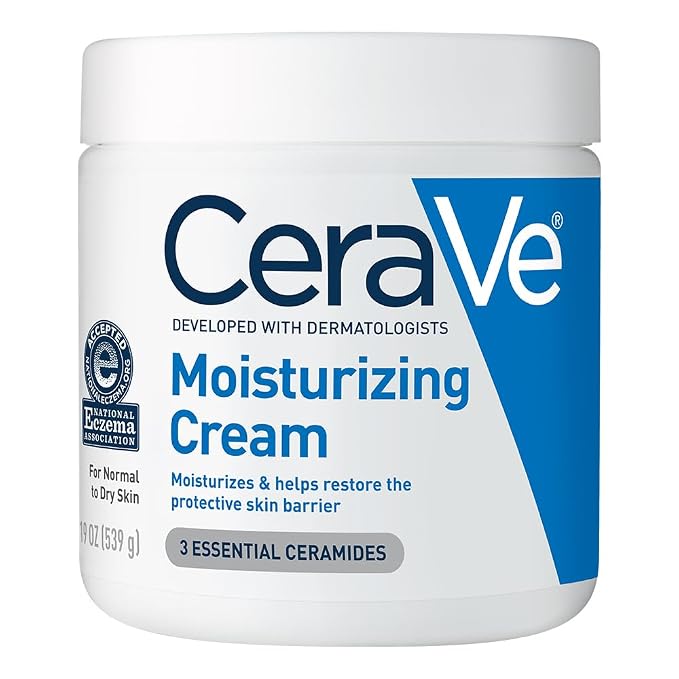
CeraVe Moisturizing Cream (19 oz)
The big tub of ceramide cream for face and body — 145,000+ reviews and a derm-office staple.
📚 Sources & studies
- Br J Dermatol (1988), PMID 3179203 — Methodology to measure the transient effect of occlusion on skin penetration and stratum corneum hydration in vivo (occlusion raises surface hydration ~32% to ~47%, returning to baseline within the hour) View study ↗
- Peer-reviewed clinical study, NCBI/PMC (PMC12326291) — Clinical Evaluation of a Multi-Component Facial Mask for Moisturizing, Repairing, and Anti-Aging Effects View study ↗
This article is for informational purposes only and is not medical advice. Skincare products affect individuals differently — consult a board-certified dermatologist for concerns about your skin.